Valorant calm aim and Phoenix discipline
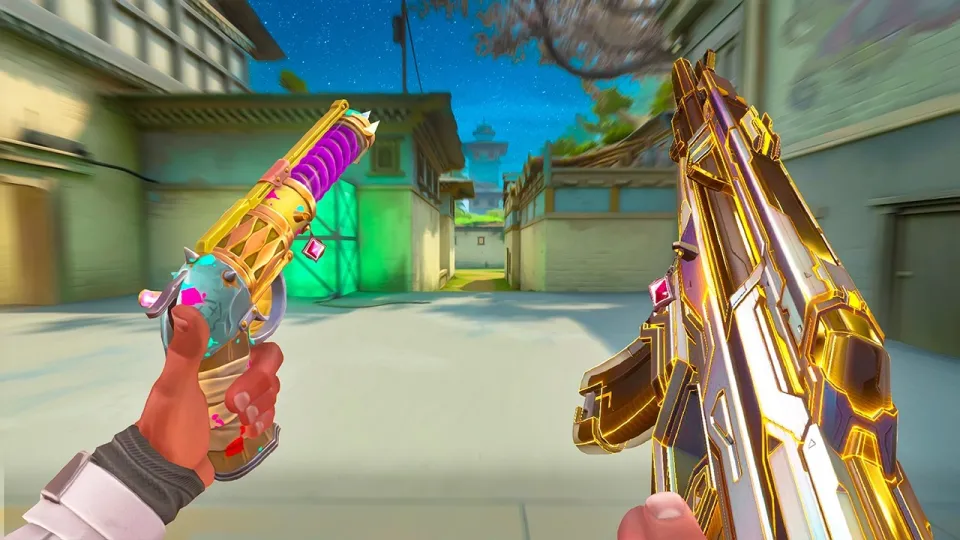
Video: low cortisol aim..
Need articles like this for your video? They help promote it on YouTube and Google — order them in the Telegram bot @sat_sit_bot. The bot writes and publishes the articles itself (with your YouTube video embedded) on popular topical websites (no ads). Free trial — 50 articles.
· based on the channel Rawzu
Key takeaways
- Rawzu runs 400 DPI at 0.625 sensitivity on a 1440x1080 stretched resolution.
- Crosshair code settings listed: 1-6-2-2; mouse Logitech G Pro X Superlight 2, pad Artisan Zero Soft.
- Monitor is a Zowie XL2566K at 360Hz, which matters for tracking consistency.
- Phoenix pairs Curveball flashes with Blaze walls and Hot Hands for aggressive duelist pressure.
- Run it Back lets Phoenix re-enter fights after dying, rewarding calm timing over panic peeks.
Valorant calm aim is the practice of keeping crosshair movement slow, deliberate and repeatable instead of snapping at every sound, and the Rawzu Phoenix clips show how much of that control comes from setup and utility timing rather than raw flick speed. A low-cortisol approach means the player stays relaxed, pre-aims common angles and lets the opponent make the first mistake. If you want the same stable frame times the creator uses, the Hone optimization link is the starting point he promotes for Valorant.
What low cortisol aim actually means in Valorant
Low cortisol aim is a mindset plus a mechanical habit: the hand stays loose, the mouse never leaves the pad, and the crosshair arrives before the shot instead of chasing it. In Valorant's short time-to-kill, a relaxed grip beats a tense one because micro-corrections stay small. Players who grip hard tend to over-flick on strafing targets and lose the second bullet of a Vandal burst.
The practical version of this is boring and effective:
- Keep your arm on the desk and your wrist neutral, so tracking a strafing enemy comes from the forearm.
- Pre-aim head level at every angle you clear, so the shot needs one small movement, not a large one.
- Stop moving before you fire, since Valorant punishes running accuracy heavily.
- Reset the crosshair to the next likely angle immediately after a kill.
Rawzu's clips lean on this pattern: few dramatic flicks, many small adjustments, and utility used to force enemies into predictable positions.
The Rawzu settings behind the calm crosshair
The creator's listed configuration is deliberately low-sensitivity and built for consistency. Sensitivity is 400 DPI at 0.625, which works out to roughly 250 effective DPI, a range that rewards arm movement and punishes jitter. Resolution is 1440x1080, a stretched 4:3 style setup that widens player models and makes head-level tracking easier for many players.
The rest of the gear list:
- Crosshair: 1-6-2-2
- Mouse: Logitech G Pro X Superlight 2
- Mousepad: Artisan Zero Soft
- Monitor: Zowie XL2566K at 360Hz
Each item matters for a different reason. The Superlight 2 keeps weight low so small corrections are not fought by inertia. The Artisan Zero Soft gives enough stopping power that a low-sensitivity swipe ends where you intend. A 360Hz panel reduces the delay between what you see and what you correct, which is exactly what calm aim depends on.
Phoenix utility that makes aim easier
Phoenix is an offensive duelist built to hunt enemies while limiting their ability to shoot back, and his kit removes a lot of the guesswork that makes aim feel chaotic. Curveball throws a flash that blinds enemies even when they are tucked behind corners, so you can clear an angle without dry-peeking into a waiting Operator. Blaze creates a wall that blocks vision and damages anyone who walks through it, letting you cross open ground that would otherwise be a death sentence.
Hot Hands adds a molotov-style area denial that also heals Phoenix when he stands in his own fire, which turns a losing trade into a reset. The combination means a Phoenix player can decide where the fight happens instead of reacting to it. That control is the real source of a calm crosshair: you already know which angle the enemy must hold.
Run it Back and the discipline of re-entering fights
Run it Back is Phoenix's ultimate and the clearest test of composure in his kit. Activating it marks a spot, and if Phoenix dies during the duration he respawns there with full health after a short delay. The temptation is to sprint into a 1v3 and hope for highlight-reel value; the disciplined play is to spend the ultimate to take an aggressive duel, gather information, and come back with that knowledge intact.
A few rules that keep the ultimate productive:
- Place the marker behind cover your team still controls, not in the open.
- Use the first life to bait utility and reveal enemy positions, not to chase kills.
- Tell your team the respawn location so they can hold the angle while you return.
On a map like Icebox, where long sightlines and vertical angles punish careless peeks, this structure matters more than raw aim.
Common questions from viewers of the clip
Viewers of these Phoenix edits tend to ask the same handful of things, and the answers are mostly about expectations rather than secrets. The first is movement: several comments praise the strafing and counter-strafing more than the aim itself, which is fair, because stopping cleanly before each shot is what makes the crosshair look steady. Practice deadzoning in the range before blaming sensitivity.
Another recurring theme is the audio and editing style. The clip is built as a calm, satisfying watch with quiet music, so the pace of the gameplay looks slower than a ranked match actually feels. Do not copy the tempo, copy the decisions.
A third question is whether the listed sensitivity is transferable. A 0.625 value at 400 DPI suits players with large desk space and arm aiming; if you play on a small pad with wrist aim, a higher value will feel better and that is not a mistake. Finally, people ask about the odd moments and voice lines in the video. Those are editing choices for tone, not gameplay advice, and they exist to make the montage watchable rather than to teach a technique.
Useful links
Final takeaway
Calm aim in Valorant is a product of three things: a setup you do not have to fight, utility that decides where the fight happens, and the patience to let the enemy move first. Rawzu's Phoenix footage demonstrates that combination better than any flick montage, because the kills come from positioning and timing rather than reaction speed. Copy the 400 DPI 0.625 baseline only if your desk and grip support arm aiming, and treat the rest of the gear list as a consistency checklist rather than a requirement. If stutter or low frames are breaking your tracking, start with the Hone optimization page before changing sensitivity. The channel Rawzu is the source of this breakdown and worth following for more Phoenix and movement-focused edits.
Questions & answers
Is 400 DPI at 0.625 sensitivity good for Valorant?
It is a low-sensitivity, arm-aiming setup of roughly 250 effective DPI, which suits players with a large mousepad who value stability over fast flicks. On a small desk or with wrist aiming, a higher value will usually feel more comfortable and is not a downgrade.
Why does stretched 1440x1080 help with aim?
A 1440x1080 resolution stretches the image horizontally, making player models wider and easier to track at head level. It does not improve your reaction time, but many players find the wider targets easier to hit consistently.
Does Phoenix's Curveball work around corners?
Yes. Curveball is a flash that blinds enemies even when they are holding an angle behind cover, which is why it is used to clear tight spots before entering. Pair it with a Blaze wall so enemies cannot simply turn away and re-peek safely.
How should Run it Back be used without throwing?
Place the marker behind cover your team still controls, use the first life to force utility and gather information, and communicate the respawn spot. Treating the ultimate as a scouting tool rather than a free kill attempt keeps it valuable.
Source: low cortisol aim.. · Markdown version